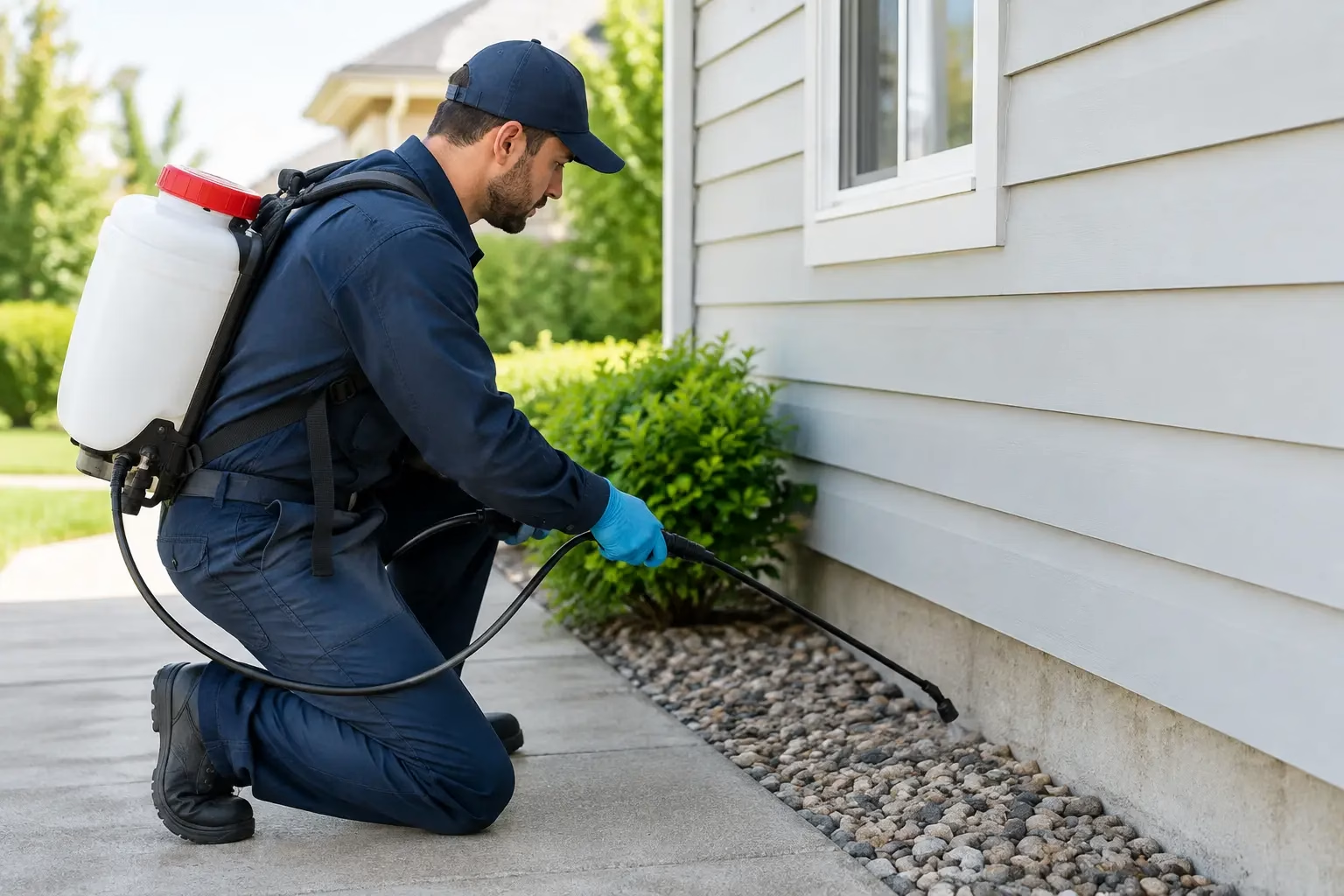
A single ant trail may need a targeted treatment. Rodent activity in an attic, bed bugs in multiple rooms, or termites near structural wood demand a much different response. That is why the answer to how much does professional pest control cost is rarely one flat number. The right price reflects the pest, the size and condition of the property, the level of activity, and the work required to stop the problem from returning.
For homeowners and business operators, the better question is not simply what a visit costs. It is what it will take to regain control of the property and keep it protected. A clear inspection and treatment plan helps make that answer practical.
How Much Does Professional Pest Control Cost?
Professional pest control commonly ranges from about $150 to $400 for a straightforward one-time treatment of common household pests. Ongoing general pest service often falls around $40 to $100 per month, though many providers bill quarterly or after an initial service. More complex issues can cost considerably more: termite work, bed bug treatment, rodent exclusion, and wildlife removal may range from several hundred dollars to several thousand.
These are broad US planning ranges, not a substitute for an on-site quote. Local pest pressure, regional labor costs, property access, and the treatment method all affect the final price. A reputable provider should explain what is included before work begins, including follow-up visits, monitoring, and any exclusion recommendations.
| Service type | Typical pricing range | What usually affects the price | | — | — | — | | One-time general pest treatment | $150-$400 | Pest type, home size, and level of activity | | Recurring general pest service | $40-$100 per month | Visit frequency, property size, and coverage | | Rodent control | $200-$600 or more initially | Number of entry points, trapping, cleanup, and follow-ups | | Bed bug treatment | $500-$2,500 or more | Rooms affected, treatment method, and repeat service | | Termite treatment | $500-$2,000 or more | Foundation type, infestation extent, and treatment system | | Exclusion or wildlife work | $200 to several thousand | Access challenges, repairs, and animal species |
A low advertised starting price can be appropriate for a limited service. It should not be confused with the cost of resolving a widespread or recurring infestation. The scope matters more than the starting number.
What Drives Professional Pest Control Pricing?
The pest itself
Some pests are easier to treat than others. Exterior ants, occasional spiders, and common crawling insects may respond well to a focused interior and exterior treatment. Cockroaches, bed bugs, termites, fleas, rodents, and nuisance wildlife often require more time, specialized materials, multiple visits, or intensive inspection.
For example, bed bugs can hide in seams, cracks, furniture, and adjacent rooms. Treating only the area where bites were noticed may not solve the infestation. Rodents create a similar challenge because trapping visible animals without closing entry points can leave the property open to new activity.
The scale of the infestation
Early intervention is often less expensive because the problem is more contained. A few signs of ant activity around a kitchen window may require a different service plan than ants established in walls, landscaping, and multiple rooms.
The same principle applies to commercial facilities. A small fly issue near one drain may be corrected with sanitation guidance and targeted treatment. Persistent activity across a restaurant, multifamily building, or warehouse may call for a documented program with frequent inspections, monitoring devices, and staff coordination.
Property size and access
Larger homes, apartment communities, offices, and retail facilities generally require more inspection time and treatment material. Difficult-to-reach crawl spaces, tall attics, cluttered storage rooms, rooflines, and inaccessible voids can also add labor.
Access is not just a convenience issue. It affects whether a technician can inspect likely harborage areas, identify contributing conditions, and apply treatment where it will be effective. A lower quote that skips these areas may leave the core problem untouched.
Treatment method and follow-up needs
The treatment approach can change the price substantially. General pest services may rely on carefully targeted applications, exterior perimeter protection, crack-and-crevice treatment, monitoring, and prevention recommendations. Termite, bed bug, and wildlife plans may involve more specialized equipment and return visits.
Follow-up is especially valuable when pest biology or property conditions make immediate confirmation difficult. Bed bug treatments may need inspections after service. Rodent plans often include trap checks and adjustments. Recurring protection provides regular opportunities to identify new activity before it becomes a larger expense.
Exclusion, repairs, and sanitation concerns
Treatment handles the current pest issue. Exclusion addresses why pests can get in. Sealing gaps around utility lines, vents, doors, foundations, and rooflines can be one of the most important parts of long-term rodent or wildlife control.
Exclusion costs vary widely because the work is property-specific. A few minor gaps may be simple to address, while damaged vents, deteriorated siding, roof access, or numerous foundation openings can require more extensive labor. Sanitation or moisture issues may also need attention to make treatment hold.
One-Time Treatment vs. Ongoing Pest Protection
A one-time service is often a sensible choice when the pest issue is isolated and there is no history of repeat activity. It can provide a direct response to a wasp nest, an ant problem, or seasonal insects that have entered a home.
Ongoing service is often a better value when pests recur, the property has conditions that attract them, or the stakes are higher. Homes near wooded areas, multifamily properties with shared walls, food-related businesses, and facilities with frequent deliveries can all benefit from scheduled inspection and prevention.
The trade-off is straightforward: recurring service is an ongoing expense, but it can reduce the likelihood of costly infestations, property damage, customer complaints, and emergency calls. For businesses, it also supports a cleaner, more controlled facility environment and helps protect reputation.
At Imperial Pest, a service plan should be built around the actual conditions on the property, not a generic treatment schedule. A useful recommendation explains the pest pressure, the proposed service frequency, and what success should look like over time.
What a Professional Quote Should Include
A dependable quote should make it easy to understand what you are paying for. It should identify the pest or suspected pest, the areas being addressed, the treatment method, and whether follow-up visits are included. If ongoing service is recommended, the provider should explain the visit schedule and what happens if activity continues between appointments.
Ask whether the price includes an inspection, interior and exterior treatment, monitoring, return visits, and a service warranty or retreatment policy. Also ask about preparation requirements. Bed bug, flea, and cockroach services may require laundering, decluttering, vacuuming, or other preparation to support effective treatment.
For rodent and wildlife concerns, separate the control work from exclusion work if they are priced differently. Knowing whether entry-point sealing is included prevents surprises and gives you a clearer picture of the long-term solution.
Why Commercial Pest Control Costs Differ
Commercial pricing is usually based on facility type, square footage, operating hours, pest risk, inspection requirements, and service frequency. A small office with occasional pest concerns has different needs than a restaurant, hotel, grocery operation, medical facility, or apartment complex.
In commercial settings, prevention carries added value. Pest activity can interrupt operations, affect tenants or guests, threaten food safety practices, and damage customer confidence. A professional program may include scheduled inspections, service records, trend tracking, monitoring, and recommendations for structural or sanitation improvements. Those elements may increase the monthly investment, but they create accountability and reduce the risk of an avoidable disruption.
The most useful pest-control price is one tied to a clear plan of action. If you are seeing droppings, insect activity, damaged materials, bites, odors, or repeated signs of pests, an inspection can define the scope before the issue gains ground. Fast, informed action protects more than your budget – it protects the comfort, safety, and condition of the property you are responsible for.