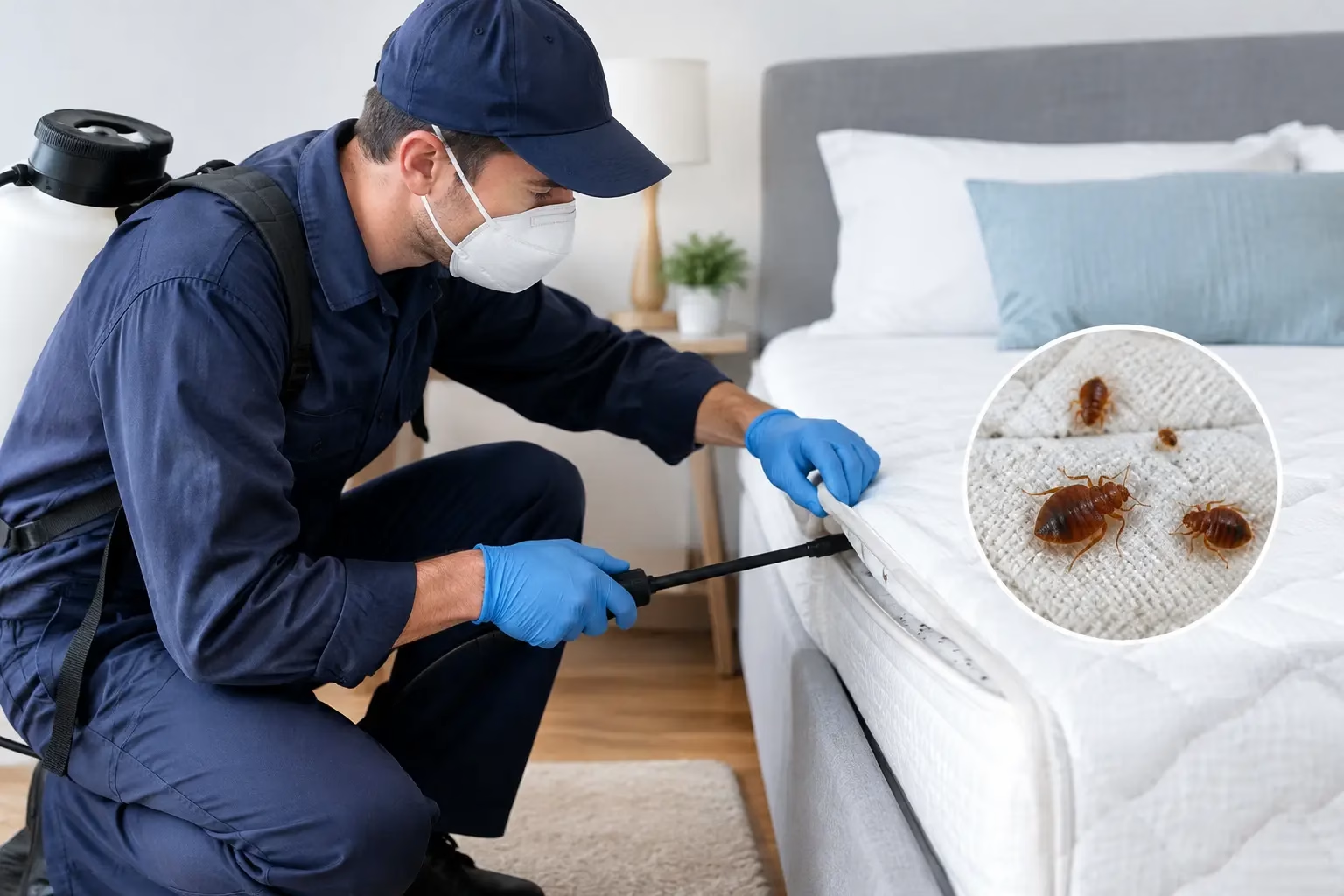
A few itchy marks after sleep can create immediate concern, but bed bug activity is not always obvious. These pests hide close to where people rest, often in mattress seams, bed frames, upholstered furniture, baseboards, and cracks near the bed. Professional pest control services for bed bugs bring a clear process to a stressful problem: identify the source, treat active hiding places, and monitor for signs that the infestation has been eliminated.
Bed bugs do not reflect poor housekeeping. They can arrive in luggage, used furniture, shared laundry areas, apartment buildings, hotels, offices, and other high-traffic settings. What matters is responding quickly and accurately before the population spreads into more rooms, units, or belongings.
Why Bed Bug Problems Need Professional Attention
Bed bugs are difficult to control because they are small, nocturnal, and exceptionally good at hiding. A visible bug on a mattress is only one possible sign. Technicians may also look for dark spotting, shed skins, tiny pale eggs, blood marks on bedding, and activity around furniture joints or wall voids.
Store-bought sprays may kill bed bugs that are directly contacted, but they often miss insects hidden deep in cracks and protected locations. Some products can also drive bed bugs into new areas, making the infestation harder to locate. Repeated product use without a complete plan can delay effective treatment while bed bugs continue reproducing.
A professional approach starts with inspection and pest identification. Bites alone cannot confirm bed bugs, since skin reactions vary and other insects or medical conditions can cause similar marks. Confirming what is present prevents wasted time, unnecessary treatment, and continued worry.
What Professional Pest Control Services for Bed Bugs Include
Effective bed bug control is a managed process, not a single quick spray. The exact plan depends on the size of the infestation, the type of property, the rooms affected, and whether activity has reached adjoining units or common areas.
Detailed inspection and treatment planning
A trained technician examines the bed area first, then expands the inspection to nearby furniture, luggage, closets, electrical areas, baseboards, and adjacent rooms as needed. In apartments, condominiums, hotels, and multifamily properties, the inspection may need to account for neighboring units because bed bugs can move through wall voids, utility pathways, and shared spaces.
The findings guide the treatment plan. Early, contained activity may require a more limited response than an established infestation affecting multiple rooms. A reliable provider should explain where activity was found, what treatment methods are appropriate, what preparation is required, and when follow-up visits will occur.
Targeted treatment methods
Professional treatment may combine several methods rather than relying on one product. Depending on the situation, this can include precisely applied EPA-registered products, vacuuming, steam treatment, mattress and box spring encasements, crack-and-crevice applications, and monitoring devices. Heat may also be appropriate for certain infestations and property conditions.
Each method has a role. Heat can reach bed bugs in many concealed areas when properly planned and executed, but the space must be prepared correctly and temperatures must be controlled. Targeted residual treatments can continue working in selected harborages, while steam may be useful on seams, tufts, and other accessible surfaces. The best choice depends on the structure, furnishings, resident needs, and the technician’s inspection findings.
No responsible provider should promise that every situation is identical. Bed bug control often requires follow-up because eggs or overlooked harborages can contribute to continued activity. The goal is a complete, accountable program that addresses the infestation at every life stage.
Follow-up inspection and monitoring
Follow-up is one of the main advantages of professional service. After treatment, technicians reassess the affected areas for live insects, fresh spotting, shed skins, or monitor activity. If additional treatment is needed, it can be directed where it will have the greatest effect instead of applying products broadly without evidence.
This step also gives residents, landlords, and managers a point of contact when questions arise. It replaces guesswork with documentation and a defined next action.
Preparation Makes Treatment More Effective
Preparation is not busywork. It gives technicians access to the places bed bugs use and reduces the chance that insects are carried to untreated areas. Your provider will give property-specific instructions, but common tasks may include laundering and drying fabrics on high heat when appropriate, bagging cleaned items before moving them, clearing access around beds and furniture, and avoiding the transfer of belongings into other rooms.
Do not throw away furniture without guidance. Discarded items can spread bed bugs to hallways, dumpsters, neighboring homes, or other units. In some cases, furniture can be treated successfully. When disposal is necessary, it should be handled carefully so others do not bring an infested item indoors.
Preparation can be especially challenging for seniors, people with disabilities, busy families, or tenants in crowded homes. Let the pest control provider or property manager know early if assistance or a modified plan is needed. A practical plan is more valuable than instructions that cannot realistically be completed.
Bed Bug Control for Apartments and Businesses
For rental properties, bed bugs demand coordination as well as treatment. Property managers need timely reporting, professional documentation, clear access arrangements, and a response that considers nearby units. Delays can increase costs and create avoidable frustration for residents.
Hospitality businesses face a different kind of pressure. A guest report must be handled discreetly and seriously, with the room taken out of service until inspection is complete. Offices, retail spaces, healthcare settings, and transportation-related facilities also need a measured response that limits disruption while protecting employees, customers, and the public.
In commercial environments, the lowest-cost response is not always the most cost-effective one. Missed activity can lead to repeated closures, complaints, staff anxiety, reputational harm, and more extensive treatment later. Professional inspection and documented follow-up help decision-makers act with confidence.
What to Do While You Wait for Service
If you suspect bed bugs, avoid sleeping in another room if possible. Moving to a couch or guest room may spread insects to new locations. Keep bedding and clothing contained when moving them for laundry, and do not carry unbagged belongings through the property.
Avoid using foggers or bug bombs. These products rarely reach the narrow hiding places bed bugs use and can scatter insects farther into the structure. Do not apply multiple pesticides in hopes of a faster result, particularly on mattresses, bedding, or areas used by children and pets.
Instead, save a specimen if one can be collected safely, take clear photos of visible signs, and make note of where and when activity was observed. This information can help the inspection begin efficiently. If you live in a rental property, report the concern promptly and follow the established notification process.
Choosing a Bed Bug Service You Can Trust
Look for a provider that treats bed bugs as a specialized problem, not a routine spray service. The company should explain its inspection process, provide clear preparation guidance, use treatment methods suited to the property, and include follow-up based on the level of activity found.
Communication matters just as much as treatment. You should know what will happen before service, what to do during and after treatment, and what signs warrant a call back. For landlords and business operators, documented service records and a consistent point of contact can make a difficult situation far easier to manage.
Bed bugs can make a home feel unsettled and put a business reputation at risk, but the problem is manageable with prompt, disciplined action. Imperial Pest can help turn a suspected infestation into a defined treatment plan, so you can focus on restoring comfort, confidence, and control in your property.